

Animated videos are everywhere, but most barely scratch the surface. A good video should clarify, engage, and convert. These seven questions will help you create animated videos for business that actually move the needle.
Key takeaways:
- A well-crafted animated video for business turns complexity into clarity—and attention into action.
- Strategic planning and scripting are essential to engagement and retention.
- Use these seven questions to guide your video creation process and boost ROI.
- Partner with experts who combine creativity with proven neuroscience to make your message stick.
A 2025 HubSpot report revealed that 96% of people prefer to learn about a product through explainer videos. It’s a clear signal: animation works, but only when it’s done right.
In today’s B2B landscape, attention is scarce and video fatigue is real. A polished animated video for business won’t cut it unless it delivers clarity, connection, and measurable outcomes.
That’s why at TruScribe, we go beyond visuals. Our whiteboard animation approach blends neuroscience, behavioral psychology, and storytelling to create animated videos for business that break through the clutter and drive real results.
Ask these seven essential questions before starting your next project.
They’ll help you turn your animated content into a strategic asset.
1. What’s the Core Message and Is It Focused Enough for Video?
Every animated video for business should be built around one clear and powerful idea. It can be tempting to include everything in a single piece, from product features to company history, but this approach often backfires. The more information you pack into a video, the less your audience will remember.
Instead, define one key takeaway. Ask: What’s the one thing we want our audience to remember or do?

Using our Scribology method, we help you cut through the noise and hone your message so that it’s laser-focused, easy to understand, and impossible to ignore.
2. Who Is the Audience and What Do They Need to Know?
Trying to appeal to everyone is a common mistake. It rarely works.
Before you script or animate, identify exactly who your video is for. A C-suite audience needs strategic insights, while end users may need step-by-step instructions.
Whether your audience is made up of customers, employees, investors, or partners, your animated video should speak their language. TruScribe tailors content to resonate with each group, down to the tone, pacing, and visuals.
3. What’s the strategic goal of the video?
Why are you creating this video? What problem is it solving? What action should it inspire?

Maybe you’re launching a product, training your team, explaining a complex process, or building brand awareness. Whatever the goal, your animated video for business should be shaped entirely around that objective, from the script to the final frame. Every creative decision, from pacing and tone to visuals and calls to action, should reinforce the outcome you’re aiming to achieve. A video aimed at raising awareness won’t look the same as one built to drive sales or change internal behavior.
4. What’s the Best Format and Style for This Message?
There is no single format that works for every business’s animated video. Today, you can choose from several styles, including whiteboard, motion graphics, and live action. Whiteboard animations use hand-drawn illustrations to simplify complex ideas into easy-to-understand visuals. Motion graphics focus on sleek, professional animations, while live action blends real-world footage with animated elements for a dynamic effect.
When deciding on the best format for your project, consider both the business context and your brand’s tone. For instance, if your goal is to train employees on how to use a new app, a clear and instructional format, such as whiteboard animation, may be more effective than motion graphics or live-action.
5. How Will the Script Be Developed, and Who Leads That Process?
Scripting is the heartbeat of every animated video for business. It is the difference between a video that captivates and converts and one that fades into the noise. Even the most stunning visuals cannot save a weak script.
A strong script grabs attention, drives message retention, and inspires action. It lays the foundation for a video that resonates with your audience and delivers measurable results. This is why, before choosing an animation company, you must take a close look at how they handle scripting.
At TruScribe, scripts are never handed off without iteration. We engage your team, test drafts, refine for clarity and pacing, and ensure the final script is tight. Everything else, storyboarding, visuals, pacing, follows from it.
6. What Does the Production Process Look Like?
Want a video delivered late, over budget, or misaligned? Skip this question, and you might end up there.
A good production process is transparent, with regular checkpoints, clear timelines, reviews, and revisions built in. From storyboard to final delivery, every stage matters. Here’s what TruScribe uses in working with clients:
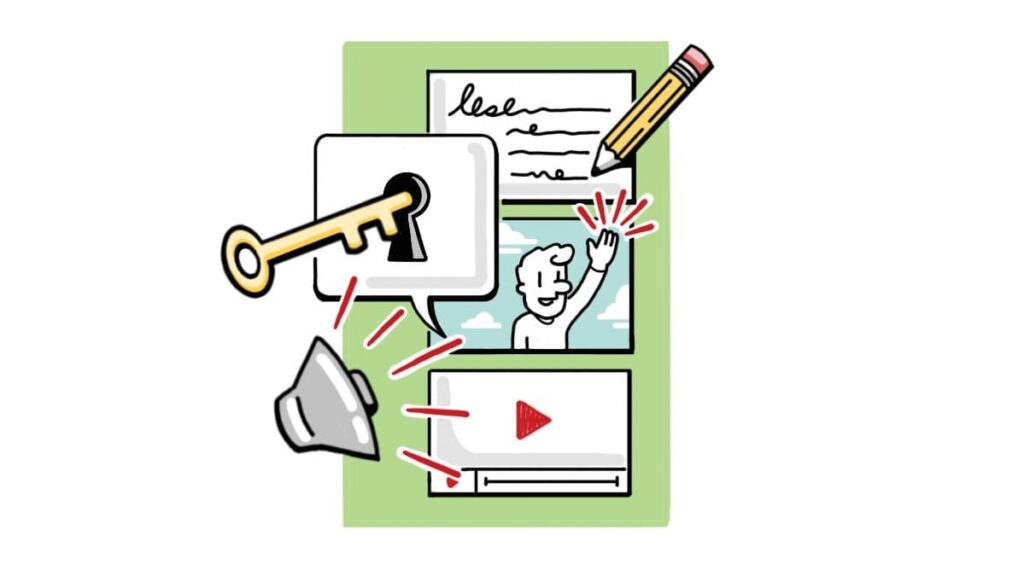
- Begin with key messages and a tight script.
- NThen storyboard: frame by frame, scene by scene.ext, decide on voice/tone and audio.
- Next, develop visuals, animation, and transitions.
- Finally, polish: edit, review, get feedback, ensure everything works.
You should always know where you are in the process, what feedback is needed, and what deliverables to expect.

7. How Do You Know You’ve Found the Right Animation Partner?
Even the best video brief won’t save a mismatch between you and your video provider. You need someone who understands your industry, your audience, and your communication goals. Someone who brings process, reliability, and strategy, not just flashy graphics.
Key signs:
- They ask questions about your audience, goals, challenges, not just what you like visually.
- They provide examples in your industry.
- They explain their process clearly.
- They allow and manage revisions in a structured way.
- They focus on outcomes (metrics, impact) not just views or aesthetics.
TruScribe works with many organizations across industries such as tech, healthcare, professional services, and HR. Our clients choose us because we treat video as a strategic investment. See our work.
Why This Matters: The Case for Intentional Animated Video for Business
Digital fatigue is real. Buyers, employees, stakeholders are overloaded by messages. B2B companies that use video see much stronger engagement and better retention than those that rely on text alone.
Whiteboard animation continues to deliver strong results by simplifying complex ideas, making concepts easier to follow, more memorable, and more effective in causing action.
In a world where so much content is competing for attention, every animated video for business that doesn’t have clarity, focus, and strategy is wasted potential.
What to Do Next
If you’re planning an animated video for business, use these seven questions as your foundation. Before you develop the concept, reply to these in writing. Share them with your team. Let them inform your creative brief.
If you want help translating them into a project plan, storyboard, or visual strategy, we’re ready for you. We specialize in helping businesses like yours create custom whiteboard video that’s truly memorable and actionable.
Contact our team today to get started.