Medical information often gets lost in complex terminology, leaving patients and caregivers confused and overwhelmed. But that doesn’t have to be the case. Medical explainer videos, especially one rooted in visual storytelling, can turn dense, intimidating content into calm, compassionate communication that people actually understand.
Key takeaways
- Patients forget or don’t understand 40–80% of what’s explained during consultations.
- Medical explainer videos and whiteboard animation simplify technical language.
- Plain-language narration and visual storytelling support comprehension across all demographics.
- These videos reduce confusion, increase medication adherence, and empower patients and caregivers.
- A well-designed medical explainer video improves health outcomes by making education clear and human.
During any clinical consultation, healthcare professionals communicate a large amount of important information in a short span of time. In the moment, those explanations may feel clear and complete. It’s easy to assume that patients leave with full understanding.
But that assumption often proves wrong once patients return home and begin managing their care on their own.
Before concluding that patients ignore instructions out of apathy, it’s worth understanding what’s really happening. Many patients are trying to listen while dealing with anxiety, stress, or even embarrassment. They may feel rushed, unsure what questions to ask, or too intimidated to ask them at all.
Research shows that patients forget or misunderstand between 40–80% of the information shared during clinical consultations, even when the provider explains clearly. When that happens, the consequences are serious: missed follow-up steps, incorrect medication use, delayed recovery, and avoidable complications.
These breakdowns aren’t caused by lack of effort. They happen when complex medical information overwhelms people, especially at a time when clarity matters most.
Healthcare providers face this challenge every day. Medical terminology, rapid delivery, and time pressure can turn essential guidance into background noise. And when patients don’t fully understand the information, they can’t act on it confidently.
One powerful way to reduce this barrier is to change how the information is delivered. Medical explainer videos offer a solution. These well-designed videos turn complex ideas into visual stories with plain-language narration, making it easier for patients, caregivers, and even clinicians to understand, remember, and act on critical health information.
Keep reading to explore how medical explainer videos improve patient understanding and lead to better outcomes across diverse populations.
Clarity is caring — and science supports it
Healthcare professionals face constant pressure to deliver information that is accurate, regulated, and compliant, while also making it clear, compassionate, and easy to understand for patients. Striking that balance is not easy, especially when medical content is dense and filled with terminology that can overwhelm even attentive patients.
Many patient education tools prioritize accuracy and compliance but fall short on emotional connection. As a result, patients often leave consultations feeling informed in theory but unsure about what to do next. This gap between information and understanding creates stress, hesitation, and disengagement, all of which weaken effective care.
Whiteboard animation helps close that gap. When built using TruScribe’s Scribology method, it turns complex medical information into stories patients can follow, remember, and act on. The approach combines clear visuals, simple language, and purposeful pacing to create learning experiences that feel engaging rather than overwhelming.
Here’s three ways medical explainer videos work to improve understanding and boost patient engagement.

1. Narratives that guide the patient from uncertainty to understanding
One of the most powerful aspects of a medical explainer video is its ability to tell a story, not just present facts. Instead of delivering a list of instructions, these videos walk the viewer through a process step by step, whether it’s a procedure, a treatment plan, or a medical condition.
This narrative structure creates flow. It helps patients understand how each part connects, and why each step matters. When information unfolds as a story, patients are far more likely to remember it. They also tend to feel more confident in applying what they’ve learned.
Storytelling also supports emotional clarity. Patients often enter medical conversations feeling anxious or uncertain. A well-paced narrative reduces that stress by guiding them gently from confusion to comprehension. Suddenly, medical jargon becomes real-life situations they can relate to, and imagine themselves navigating.

2. Real-time visuals that illustrate unfamiliar concepts with simplicity
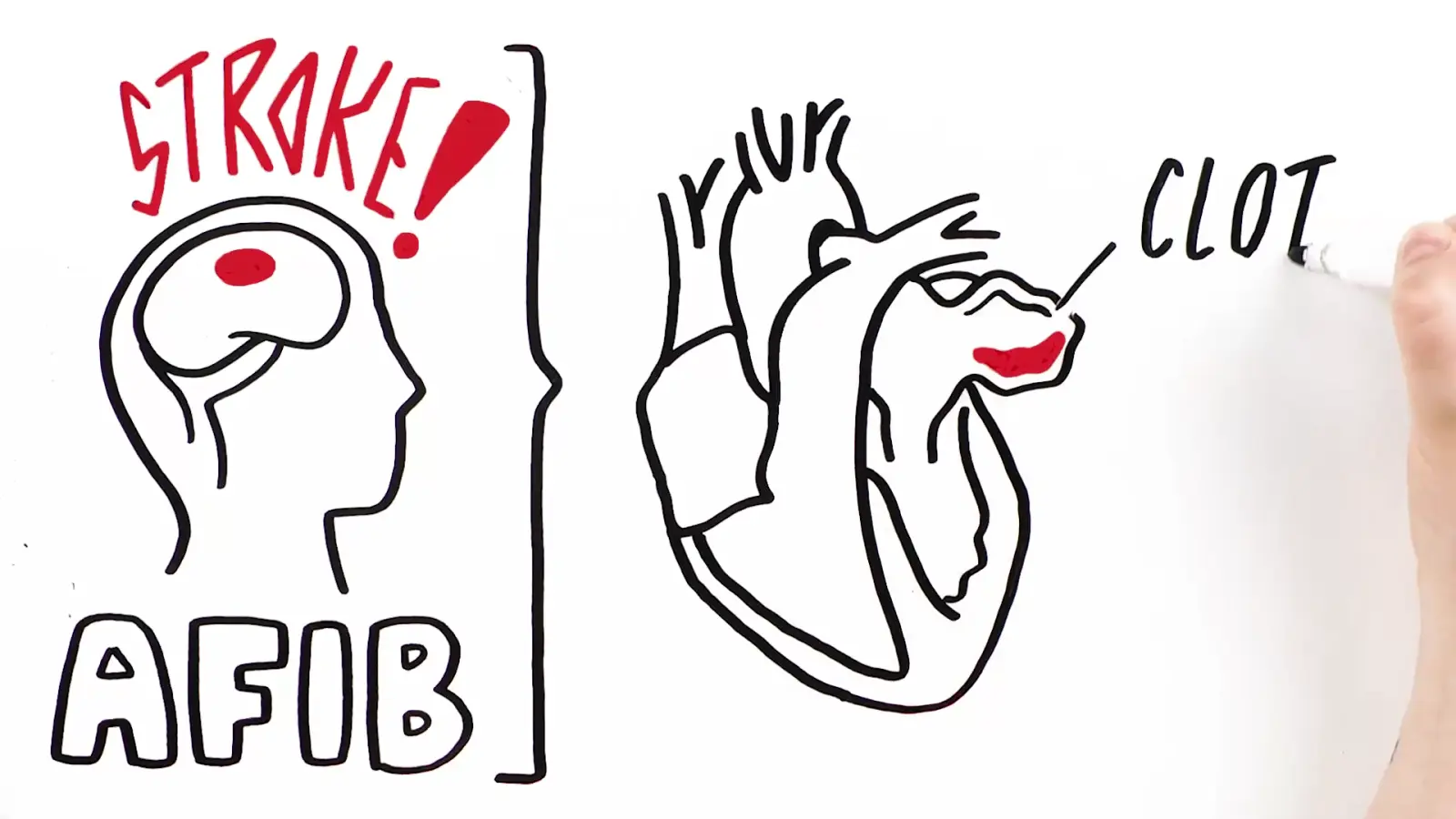
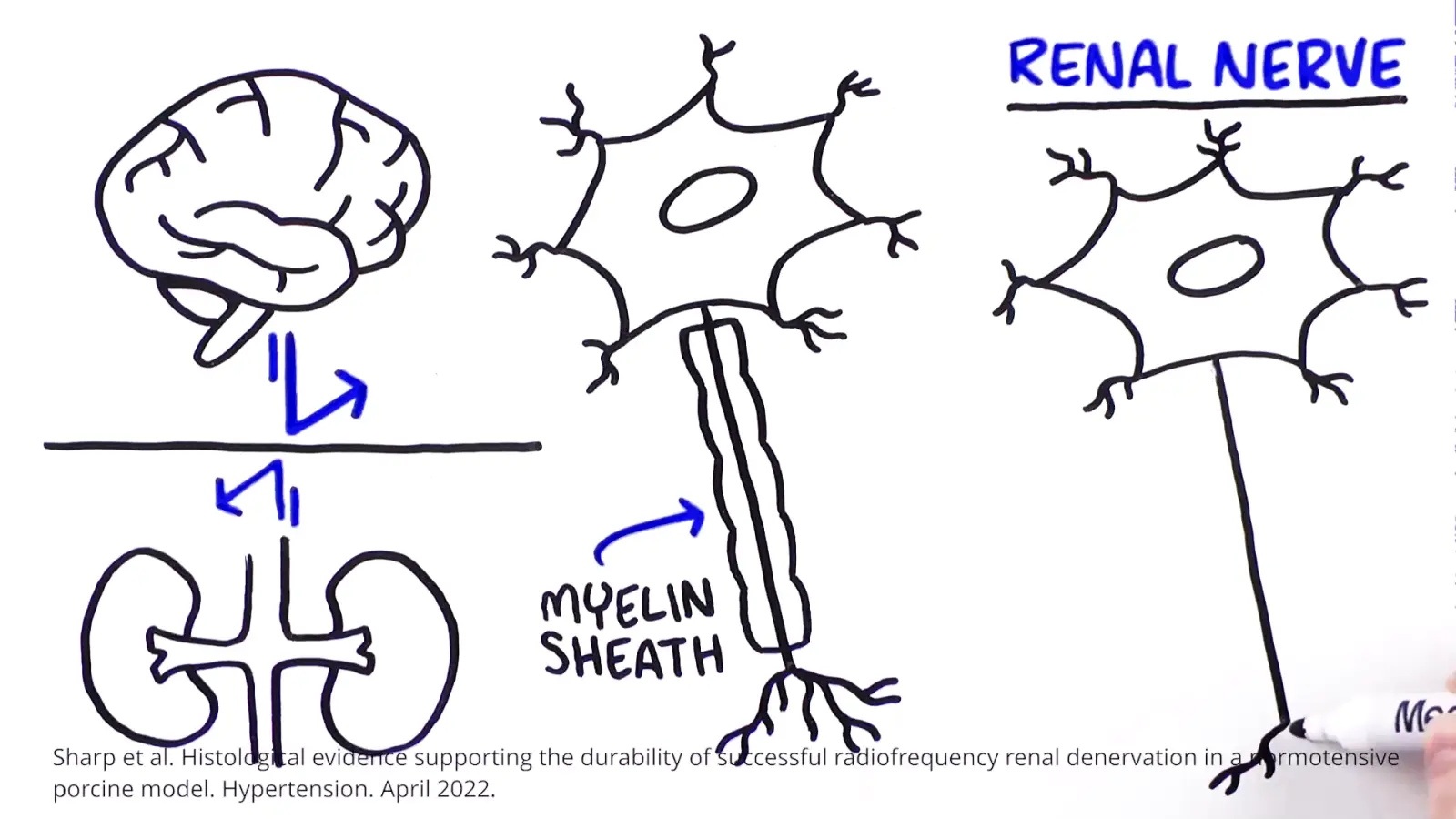
Another strength of medical explainer videos lies in real-time visuals. When a viewer watches a drawing develop, for example how a medication moves through the body or how a surgical procedure is performed, they grasp the concept faster than they would from static diagrams or written instructions.
Simple visuals, shown step by step, make big ideas manageable. They give form to abstract or intimidating topics and allow patients to literally “see” what’s being explained.
Importantly, these visuals also hand control back to the viewer. They can pause, rewind, or rewatch the content as often as needed. That flexibility transforms learning into an active, self-guided experience and improves retention along the way.

3. A Calm, Reassuring Tone That Makes Healthcare Feel Human
Medical explainer videos convey empathy through calm narration, clear pacing, and simple visuals. This approach helps reduce anxiety and makes even technical medical topics feel more approachable.
Patients respond to the tone and rhythm of the explanation, which guides them through complex information without pressure. When explanations feel human and supportive, patients are more likely to absorb the details and apply them in their care.
This tone also respects the emotional experience of healthcare. A reassuring voice signals that confusion is normal and that learning takes time, encouraging patients to stay engaged and take an active role in their treatment.
Clarity That Reduces Fear and Builds Trust
Turning complex medical information into something patients truly understand requires more than accuracy alone. Working with specialists who focus on whiteboard animation helps translate dense clinical content into explanations that feel clear, supportive, and human.
At TruScribe, our teams have worked with hospitals, medical device companies, and health educators to reshape technical scripts into clear, confident stories patients can follow. This approach helps bridge the gap between information and understanding.
Medical explainer videos help address several common challenges in patient communication:
- Reduce post-consult confusion: Patients often leave consultations feeling overwhelmed or unsure about next steps. Clear visuals and step-by-step explanations reinforce instructions, helping patients remember what to do and follow guidance with greater confidence.
- Improve medication adherence: When patients understand why and how medications work, they are far more likely to follow their treatment plans consistently. Seeing the process visually reinforces the importance of each step, turning instructions into actionable behaviors.
- Increase understanding across diverse populations and literacy levels: Visual storytelling and plain-language narration make information accessible to patients regardless of reading ability, background, or personas. This approach ensures that critical health concepts reach everyone, not just those familiar with medical jargon.
- Empower caregivers and families alongside the patient: Caregivers and family members can follow the same explanations, giving them confidence to provide support and stay aligned with the patient’s care plan.
Every TruScribe video is built around precise messaging and authentic communication. Each visual is custom-drawn to match the intended language and purpose, avoiding templates and clip art in favor of clear, compassionate explanations patients can trust.
Ready To Create Patient Education That Connects?
According to a Forbes publication, viewers retain about 95% of a message from a video compared to only about 10% when reading the same information in text. This striking difference highlights why medical explainer videos are crucial in ensuring patients truly understand and remember critical health information.
Expertly created videos turn complex medical terminology into clear visuals, relatable stories, and compassionate guidance that patients can follow. As a result, confusion drops, different learning styles are supported, and both patients and caregivers feel more confident about next steps. The outcome is a healthcare experience that feels clear, supportive, and human.
If you have a message that needs to reach patients calmly and clearly, TruScribe can help. Each video is custom-built around your exact language and intent, ensuring the message remains accurate, meaningful, and easy for patients to understand.
Connect with TruScribe to see how whiteboard animation can help communicate complex medical information with clarity, care, and purpose.