

HR Directors often face a disconnect where critical benefits programs are misunderstood or underutilized by employees. Discover how a visual-first approach to employee benefits communication solves the “understanding gap” by using the Scribology method.
Key takeaways
- Complex messaging reduces understanding and lowers benefits utilization
- Clear employee benefits communication improves engagement and decision-making
- Visual storytelling strengthens retention by aligning with how people process information
- Structured narratives make benefits easier to understand and apply
- Human-centered communication builds trust and reduces HR friction
- TruScribe simplifies benefits into clear, engaging communication that drives understanding
Employee benefits are a core part of compensation, yet many employees struggle to understand what is available to them or how those benefits actually work. What should be straightforward often ends up confusing, leading to low usage and missed value.
As benefits packages become more comprehensive, understanding them becomes more difficult without clear communication. Research from WorldatWork shows that only 27% of employees fully understand their benefits options, which highlights how gaps in employee benefits communication directly affect awareness and utilization.
The issue is rarely the benefits themselves, but their explanation. Information delivered through dense documents or fragmented systems makes it difficult for employees to identify what applies to them and how to use it, which reduces engagement and overall effectiveness.
Improving this does not require more documents or additional programs, but a clearer approach to employee benefits communication so employees can understand, evaluate, and use their benefits with confidence.
Continue reading to understand why employees misunderstand their benefits and how a visual-first approach to employee benefits education helps simplify complexity and improve decision-making.
Clarity as a retention strategy
Standard employee benefits education often reflects the complexity of the plans, making it harder for employees to stay engaged. Dense documents, unfamiliar terminology, and layered details can feel more like legal explanations than practical guidance, especially when employees are trying to make time-sensitive decisions.
Complexity creates friction at a point where clarity matters most. Instead of feeling confident, employees may delay decisions, disengage from the process, or select options they do not fully understand. Over time, this reduces both participation and confidence in total rewards.
Scribology changes the delivery of employee benefits communication by using visual storytelling to simplify complex information into structured, easy-to-follow narratives that support real understanding.
The following elements explain how this approach aligns with how people process information:

- Hand-drawn visuals
Hand-drawn visuals guide attention toward key ideas without overwhelming the viewer with unnecessary detail. The simplicity makes information feel more approachable and easier to process.
This format reflects how people naturally use diagrams to understand complex topics, which supports faster comprehension and better retention.
- Strategic pacing
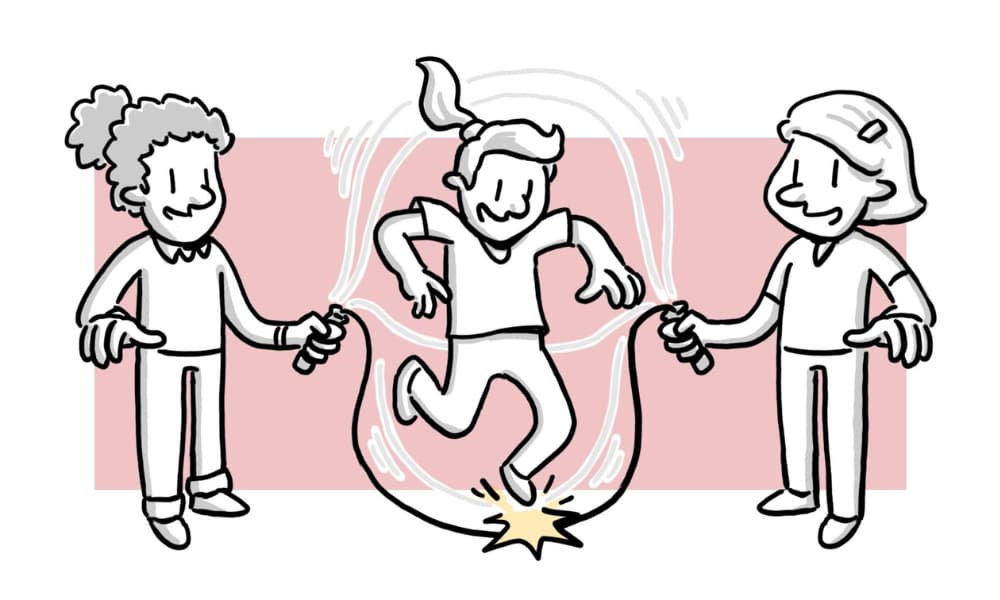
Strategic pacing controls the introduction of information, allowing employees to process one idea at a time instead of facing everything at once.
When content flows at a manageable speed, it becomes easier to follow and reduces the likelihood of disengagement.
- Dual coding
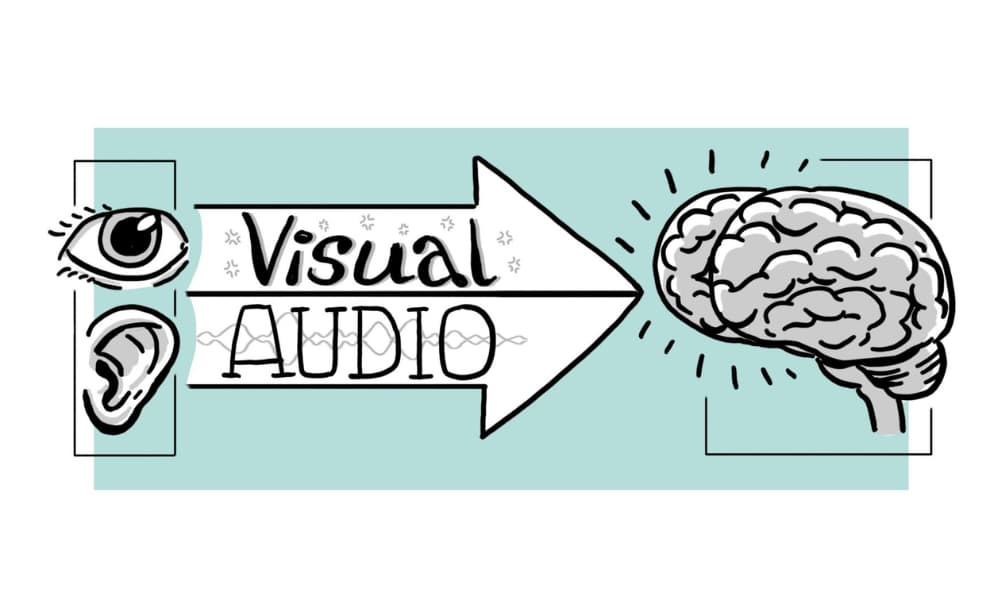
Dual Coding combines narration with visuals so information is processed through both channels simultaneously, strengthening understanding and recall.
This is particularly effective for benefits topics such as HSA and PPO choices, where clarity depends on both explanation and illustration.
- Visual metaphors
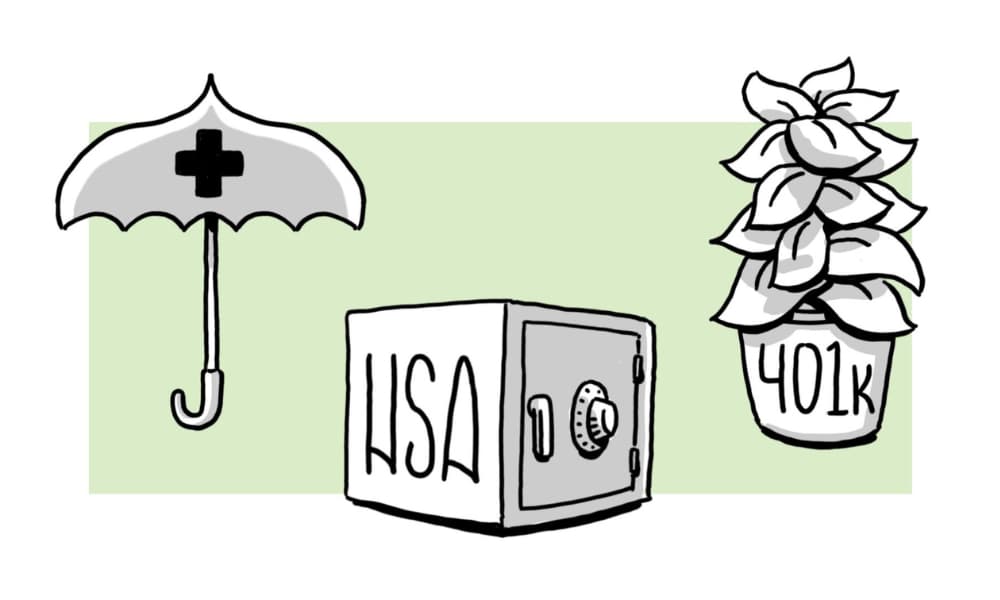
Visual metaphors translate abstract benefits concepts into familiar ideas, making technical systems easier to understand.
By connecting new information to recognizable concepts, employees can interpret benefits more quickly and with greater confidence.
- A script-first process
A script-first process ensures the message is clear, accurate, and structured before the introduction of visuals. With expert assistance, it maintains compliance while simplifying complexity, allowing employees to receive information that is both reliable and easy to understand.
When clarity becomes the priority, employee benefits education shifts from a compliance task to a more effective communication process, leading to better understanding, stronger engagement, and more confident decision-making.
Moving from “how it works” to “why it matters”
High-impact employee benefits communication shifts attention away from explaining plan details and toward helping employees make real decisions. Rather than listing features, the focus stays on answering practical questions so employees can understand what each option means for them.
A clearer approach changes how information is received and applied. Strategic visuals simplify dense or abstract concepts by structuring them into explanations that are easier to follow, improving understanding and reducing confusion at critical decision points.
Better clarity also supports faster buy-in across the organization. Employees are more likely to engage with information they understand, reducing hesitation during open enrollment and lowering the volume of follow-up questions HR teams need to handle.
As understanding improves, confidence grows. Structured narratives guide employees through their options in a way that feels relevant and practical, leading to stronger decision-making and better alignment across teams.
Unlike DIY tools or stock templates, the process is built to meet Global 2000 standards, which demand consistency, accuracy, and scalability across large, diverse workforces. It supports complex benefit structures, multiple geographies, and varied employee needs without losing clarity or control.
In real-world conditions, HR teams can deliver messaging that remains clear, compliant, and impactful at scale, whether they are reaching hundreds or tens of thousands of employees.
Improve Employee Understanding of Benefits with TruScribe
When employees struggle to understand their benefits, the value of those programs is often underused, which affects engagement, retention, and overall satisfaction. Clear communication ensures that investment translates into real understanding and meaningful use.
TruScribe helps translate complex benefits into clear, structured visual stories that are easier to follow and remember. A script-first approach keeps messaging accurate and focused while visual storytelling improves how information is processed and retained.
Now, HR teams can present detailed benefits information in a way that employees can understand, apply, and revisit when needed, which supports stronger engagement and more confident decision-making.
Speak with TruScribe about benefits communication videos to explore how clearer communication can improve how employees understand and use their benefits.